Expert Tips for Safe Electrical Upgrades in Homes

Upgrading the electrical system in your home can seem daunting, but it is essential for safety, efficiency, and convenience. Whether you are renovating an old house or simply looking to modernize your electrical setup, understanding the process and adhering to safety protocols is crucial. This guide will provide you with expert tips for safe electrical upgrades, ensuring that your home remains a secure and comfortable environment.

Understanding Your Electrical System
Before diving into upgrades, it’s important to understand the basics of your electrical system. Here are some key components:
Service Panel: This is the central hub where electricity enters your home. It distributes power to various circuits.
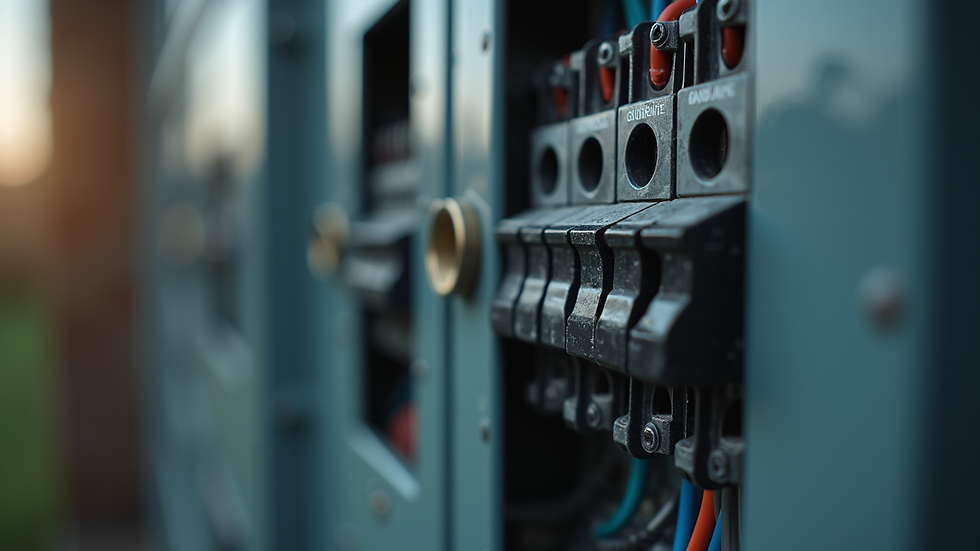
Circuit Breakers: These devices protect your home from electrical overloads by interrupting the flow of electricity when necessary.
Wiring: The wires carry electricity throughout your home. Older homes may have outdated wiring that needs replacement.
Outlets and Switches: These are the points where you connect devices to the electrical system.
Assessing Your Current Setup
Start by evaluating your current electrical system. Look for:
Flickering Lights: This could indicate an overloaded circuit or faulty wiring.
Tripped Breakers: Frequent tripping may suggest that your system is not equipped to handle your electrical load.
Old Wiring: If your home has aluminum wiring or outdated materials, consider upgrading to modern copper wiring.
Planning Your Electrical Upgrade
Once you have assessed your current setup, it’s time to plan your upgrades. Here are some steps to follow:
Determine Your Needs
Identify what you want to achieve with your electrical upgrades. Common goals include:
Adding more outlets to accommodate modern devices.
Upgrading to energy-efficient lighting.
Installing smart home technology.
Create a Budget
Establish a budget for your electrical upgrades. Consider costs for materials, labor, and any permits you may need. It’s wise to set aside an additional 10-20% for unexpected expenses.
Consult a Professional
While some electrical work can be done DIY, it’s often best to consult a licensed electrician for major upgrades. They can provide valuable insights and ensure that all work complies with local codes.
Safety First: Essential Precautions
Safety should always be your top priority when working with electricity. Here are some essential precautions to take:
Turn Off Power
Before starting any electrical work, turn off the power at the service panel. Use a voltage tester to confirm that the power is off before touching any wires.
Use Proper Tools
Invest in quality tools designed for electrical work. Essential tools include:
Insulated screwdrivers
Wire strippers
Voltage testers
Circuit finders
Wear Protective Gear
Always wear safety goggles and gloves when working with electrical components. This will protect you from potential hazards.
Upgrading Your Electrical Panel
One of the most significant upgrades you can make is to your electrical panel. Here’s what you need to know:
Signs You Need an Upgrade
Consider upgrading your electrical panel if you notice:
Frequent circuit breaker trips.
The panel is more than 20 years old.
You plan to add significant electrical loads, such as a home office or new appliances.
Choosing the Right Panel
When selecting a new electrical panel, consider:
Amperage: Most homes require a 200-amp panel for modern electrical needs.
Brand: Choose reputable brands known for reliability and safety.
Features: Look for panels with built-in surge protection and smart technology capabilities.
Wiring Upgrades
Upgrading your wiring is crucial for safety and efficiency. Here are some tips:
Types of Wiring
Familiarize yourself with different types of wiring:
Copper Wiring: The most common and reliable option.
Aluminum Wiring: Older homes may have this, but it is less safe and may need replacement.
Rewiring Your Home
If your home has outdated wiring, consider a complete rewiring. This process involves:
Removing old wires.
Installing new wiring that meets current safety standards.
Updating outlets and switches to accommodate modern devices.
Adding Outlets and Switches
As you upgrade your electrical system, consider adding more outlets and switches for convenience.
Benefits of Additional Outlets
Reduces the need for extension cords, which can be a fire hazard.
Allows for better placement of furniture and appliances.
Supports the growing number of electronic devices in homes.
Placement Tips
When adding outlets, consider:
Installing outlets in every room, especially in areas where electronics are used frequently.
Placing outlets at a height that is easily accessible.
Including GFCI outlets in areas prone to moisture, such as kitchens and bathrooms.
Smart Home Integration
Modern electrical upgrades often include smart home technology. Here’s how to integrate it safely:
Choosing Smart Devices
Select devices that are compatible with your existing electrical system. Popular options include:
Smart thermostats
Smart lighting systems
Smart plugs and outlets
Professional Installation
For complex smart home systems, consider hiring a professional. They can ensure that devices are installed correctly and securely.
Final Touches: Lighting Upgrades
Upgrading your lighting can enhance both the aesthetics and functionality of your home.
Energy-Efficient Lighting
Consider switching to LED bulbs, which use less energy and last longer than traditional incandescent bulbs. Benefits include:
Lower energy bills
Reduced heat output
A wide variety of styles and colors
Layered Lighting
Incorporate different types of lighting for a well-lit space:
Ambient Lighting: General illumination for the entire room.
Task Lighting: Focused lighting for specific tasks, such as reading or cooking.
Accent Lighting: Decorative lighting to highlight artwork or architectural features.
Conclusion
Upgrading your electrical system is a significant investment in your home’s safety and efficiency. By following these expert tips, you can ensure that your upgrades are done safely and effectively. Remember to prioritize safety, consult professionals when necessary, and consider the long-term benefits of modernizing your electrical setup. With careful planning and execution, you can create a comfortable and secure living environment for years to come.
Take the first step today by assessing your current electrical system and planning your upgrades. Your home deserves it!

Comments